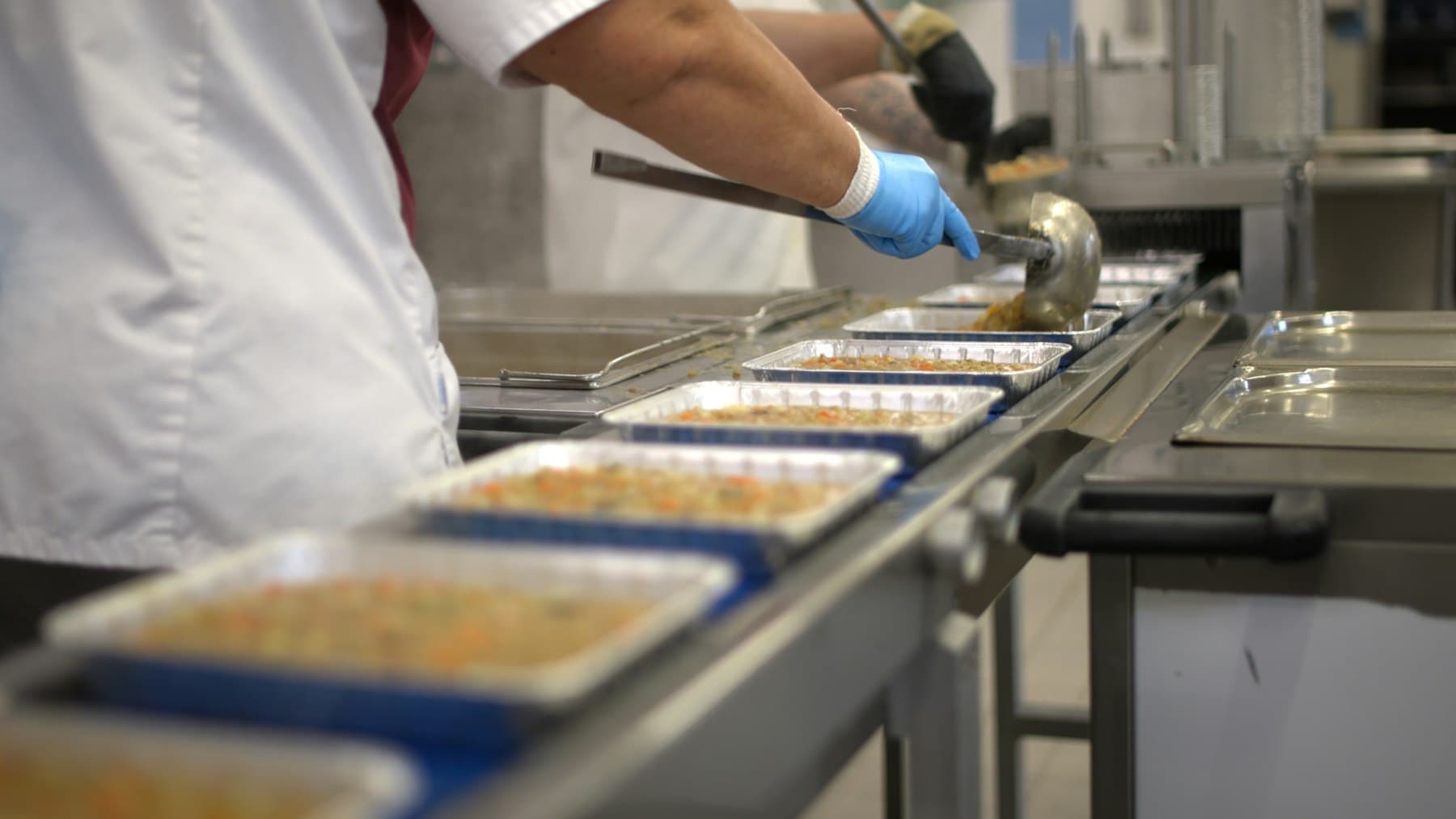
01 / PT Loka Saji Group
40–45%COGS after the shift
The cost of making it elsewhere.
Best-sellers, 80% cost of goods. One move to in-house production cut it to 40–45%.
Read the storyFINANCE & OPERATIONS MANAGER
I work where finance meets the production floor: finding what costs too much, fixing what slows teams down, and building operations that hold up in real life.
Every story follows the same three beats: what the numbers said, why it mattered, and what we did next.
Best-sellers, 80% cost of goods. One move to in-house production cut it to 40–45%.
Read the story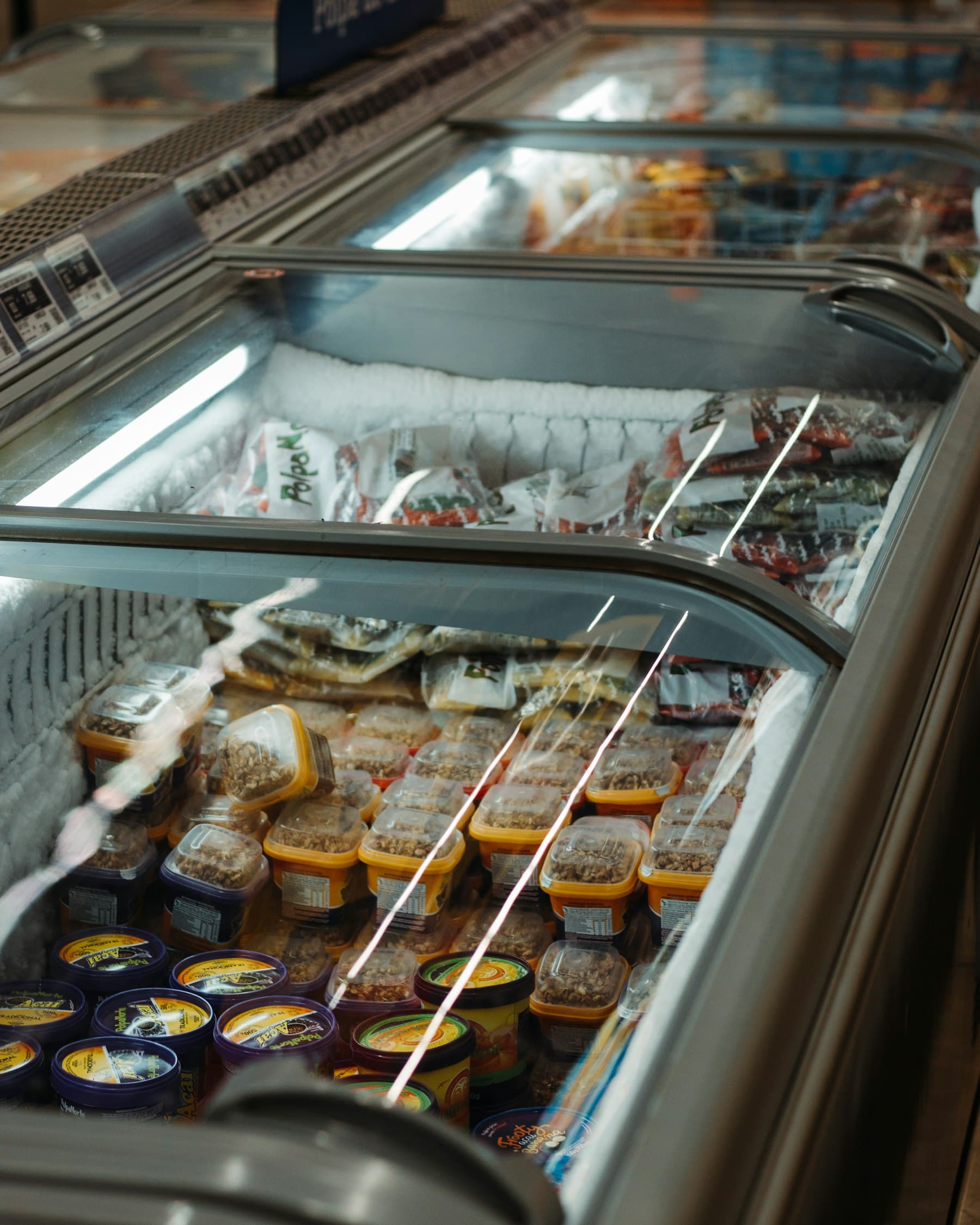
Frozen food runs on trust. Systems built behind the scenes won 10+ B2B clients.
Read the story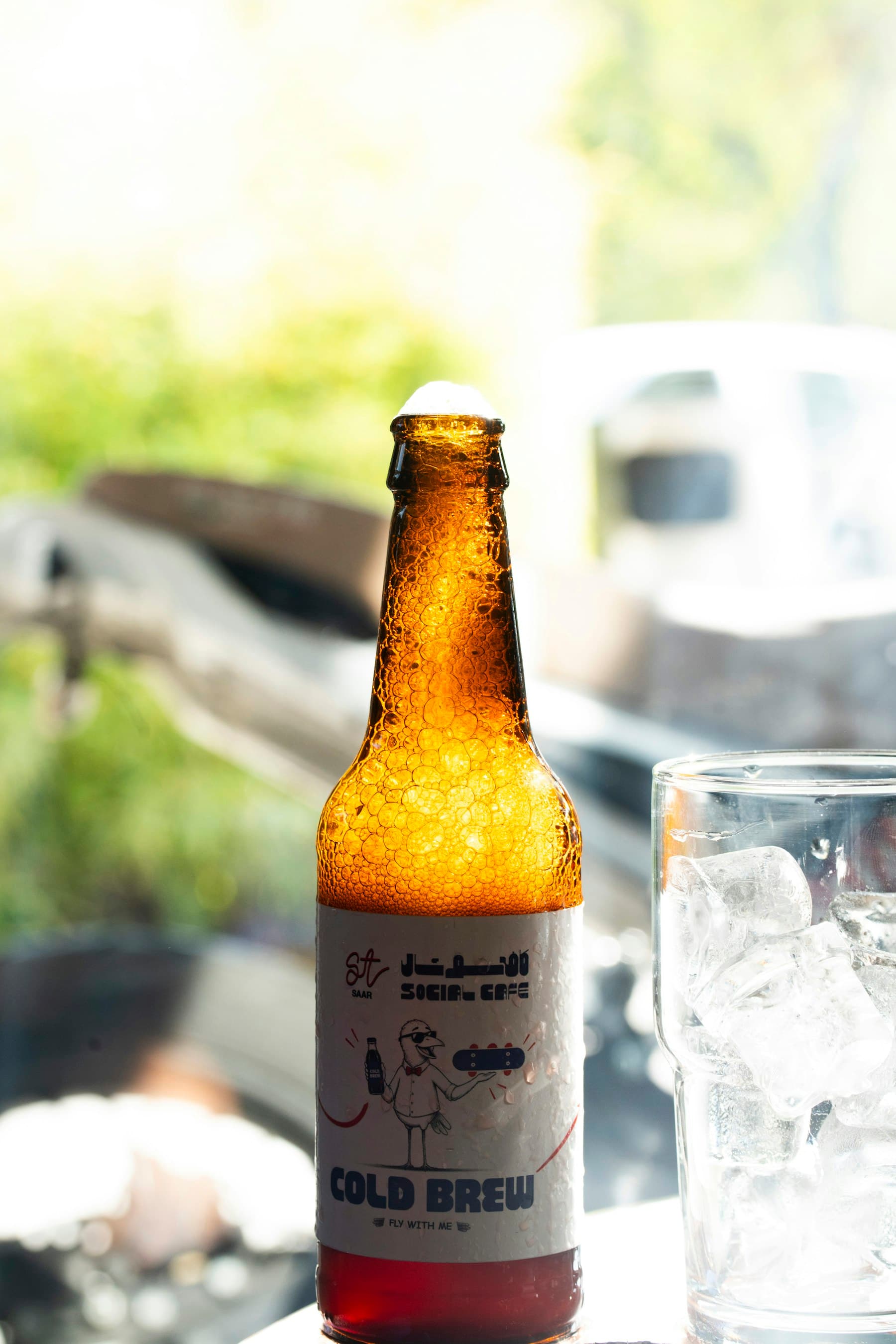
Road closures emptied the café. A one-liter bottle kept the business running for 6+ months.
Read the storyFour best-selling snacks, one hidden problem. At a 30-person manufacturer, making them cost about 80% of sales.
Strong demand was masking a cost-structure problem. The brief ruled out raising prices or cutting quality, so the real lever was who made the product.
Move the four products from the contract manufacturer to in-house production. Then line up purchasing, output targets, stock, quality checks, and labor behind the new model.
In nine months, COGS fell to 40–45% of sales, all production costs included. Ramadan revenue tripled and net profit rose almost fourfold year over year.
A frozen food business serving cafés, caterers, and individual customers. A small team had to balance fresh stock, delivery, quality, and cash flow.
Repeat orders are earned long before checkout. They depend on supplier reliability, clean records, and deliveries that arrive when promised.
Build the engine first: supplier sourcing, financial records, SOPs, delivery routes, and a demand planning schedule. Then add two lower-cost suppliers on 30-day payment terms and open Tokopedia and Shopee stores.
The business signed more than 10 B2B clients. Tokopedia reached five-star seller status with over 200 positive reviews in 60 days and zero returns.
A Bandung café averaging IDR 30–50 million in monthly revenue lost its dine-in customers to COVID-19 road closures.
Dine-in was a channel, not the business. If customers can't come to the coffee, the coffee has to go to them.
Launch a one-liter packaged coffee. Sell it through home delivery and a four-partner reseller network, and keep the existing digital channels running.
The new format kept the business operating for more than six months through the disruption and opened a new way to reach customers at home.
I've learned that the most useful question is often the one nobody has had time to ask.
Why does this product cost so much to make? Where does cash get stuck? What would make a customer order again? I bring those questions into the numbers, then take the answers to the people who do the work.
Across a snack manufacturer, frozen food supply, a perfume brand, and a café, I've worked on both sides of the desk—as a manager accountable to an owner and as a founder accountable for every decision.
Let's talk about your businessUnderstand the full picture before changing the number.
Build processes people can run after the meeting ends.
Good decisions work across finance, operations, and customers.
Founder roles ran alongside employed roles. Each added a different perspective on costs, teams, and growth.
Bachelor's in Management, Widyatama University
Cum Laude · GPA 3.92/4.00
Accurate ERP, Excel, Google Sheets, Lark
WPPE-P certificate